Winter
Cluster, quiet, winter mite treatment. December to February decide the start, not the crop.
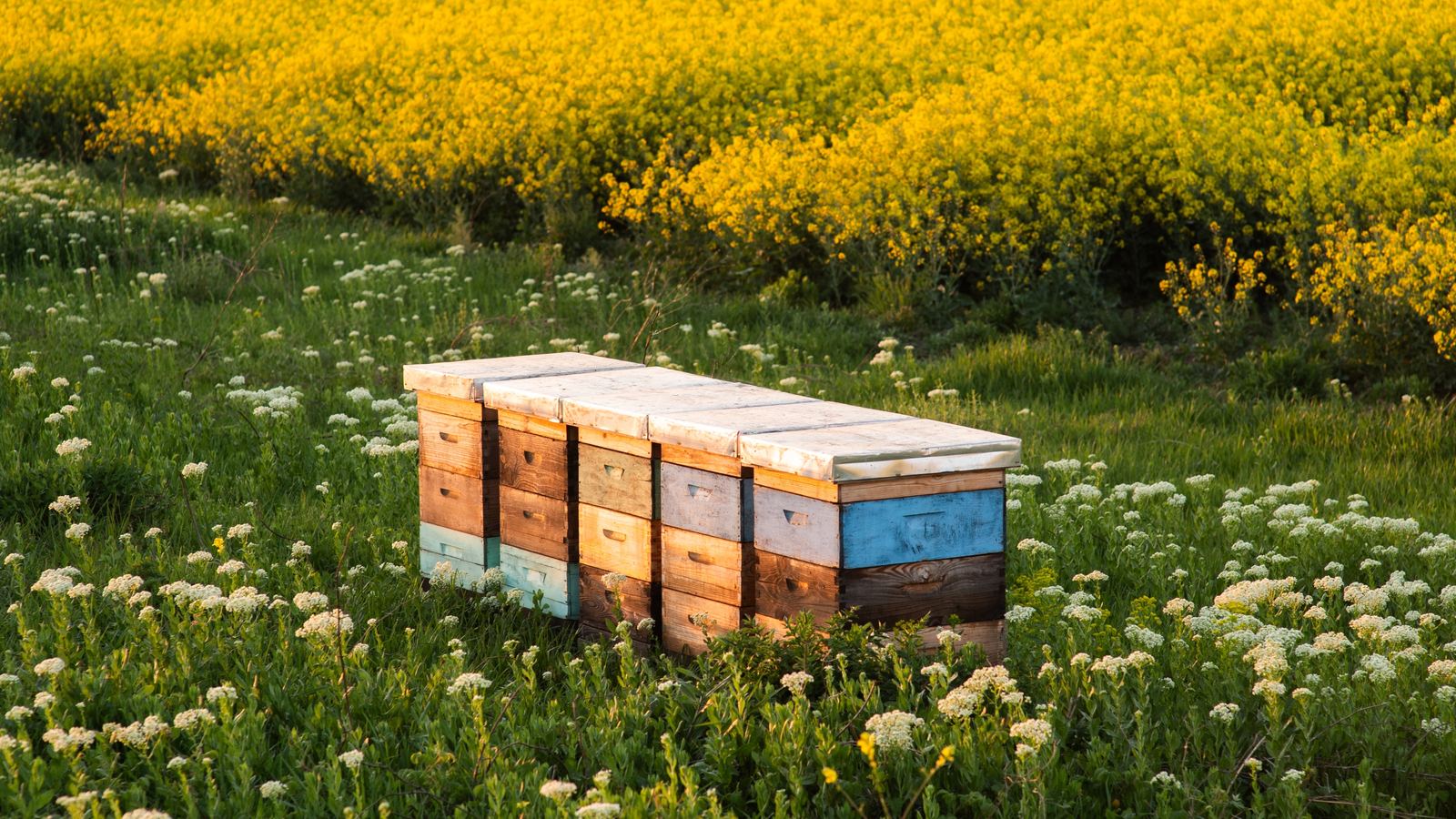
A directory of the twelve months: what happens in the colony, what is due at the apiary, and which forage the landscape supplies. Plus four guides that read the year across.
The bee year is not a calendar page with three keywords. It is the overlay of three rhythms: colony development, beekeeping work and the forage on offer. They interlock and shift with the site — on the North Sea coast differently from the Kaiserstuhl, in woodland differently from the city. Two to four weeks of difference is normal; the order stays.
The figures for colony strength are guide values for a healthy Carnica production colony in Central Europe. A nucleus follows the same curve at a lower level. A colony that does not grow in May is not following it — and needs a diagnosis, not another super.
This directory sets out for each month what happens in the hive, which jobs make sense and which plants flow. The guides beside it explain the curve itself, swarm season, the winter colony and the forage year. The bar chart remains the overview tool; the subpages are the text that goes with it.
Anyone who only knows the month does not know the bee. Anyone who knows the year knows the next move.
Colony strength in thousands of bees — guide values, Carnica, Central Europe
Cluster, quiet, winter mite treatment. December to February decide the start, not the crop.
Build-up, first inspection, fruit and rape, the start of swarm season.
Peak strength, harvest, forage gap, varroa, raising winter bees.
Wintering down, ring of stores, ivy, a tight nest.
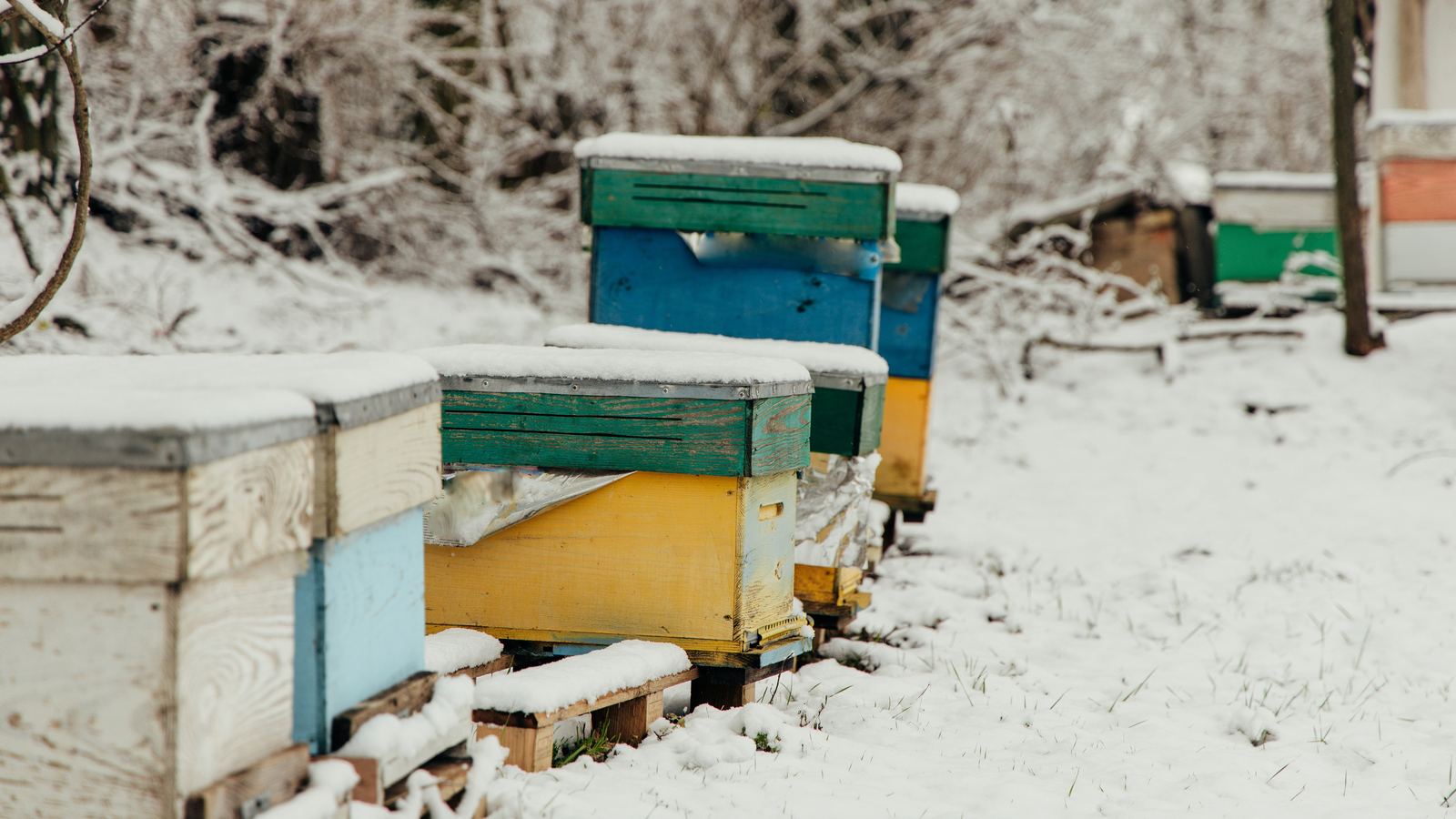 Winter restJanuary8The winter cluster sits still, metabolism is low — and yet, around the solstice, brood often starts cautiously. Leaving the bees alone now helps decide the start in March.
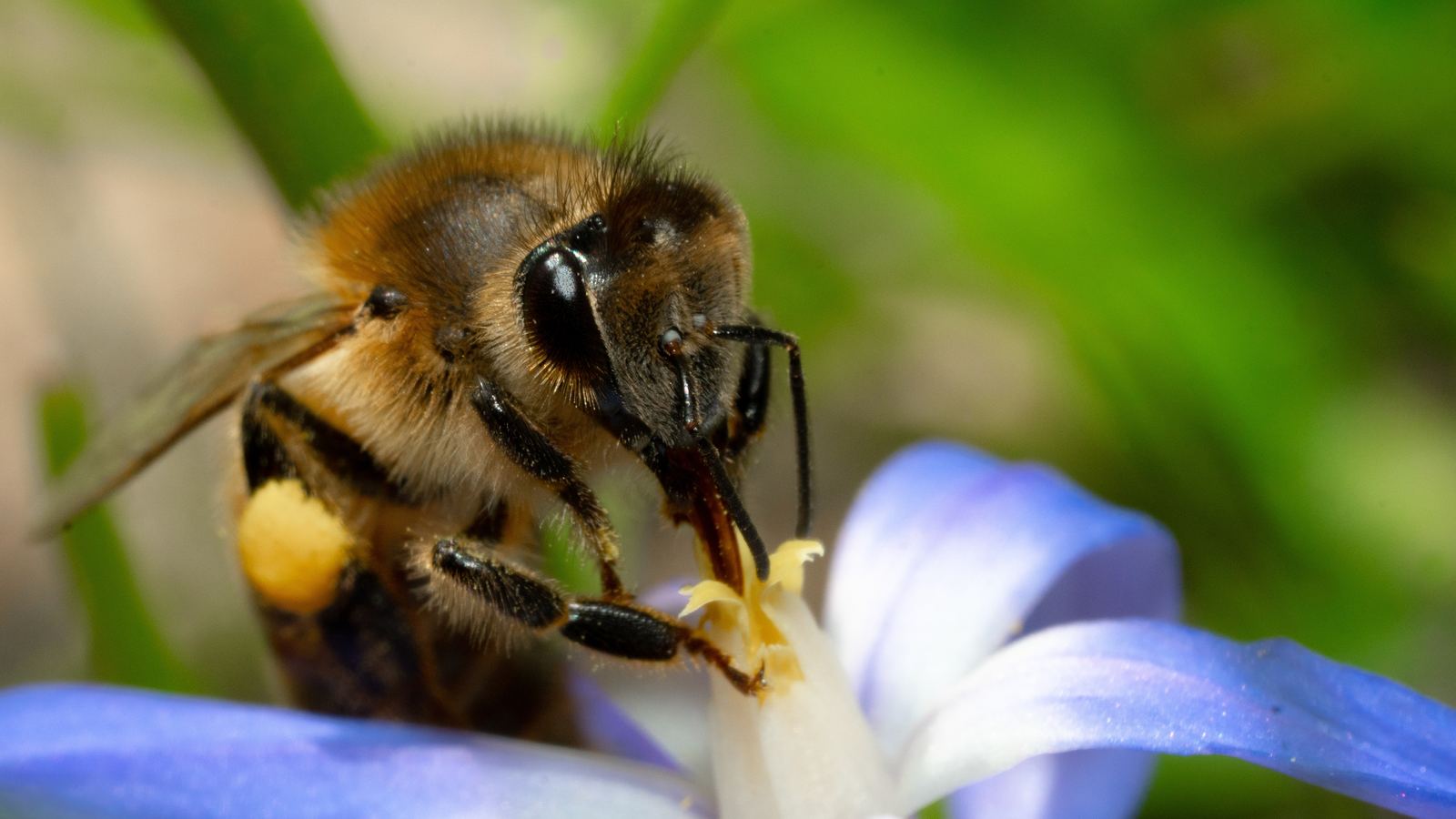 Spring beginsFebruary10Cleansing flights, the first pollen, a growing brood nest. February decides whether winter stores will last until fruit blossom.
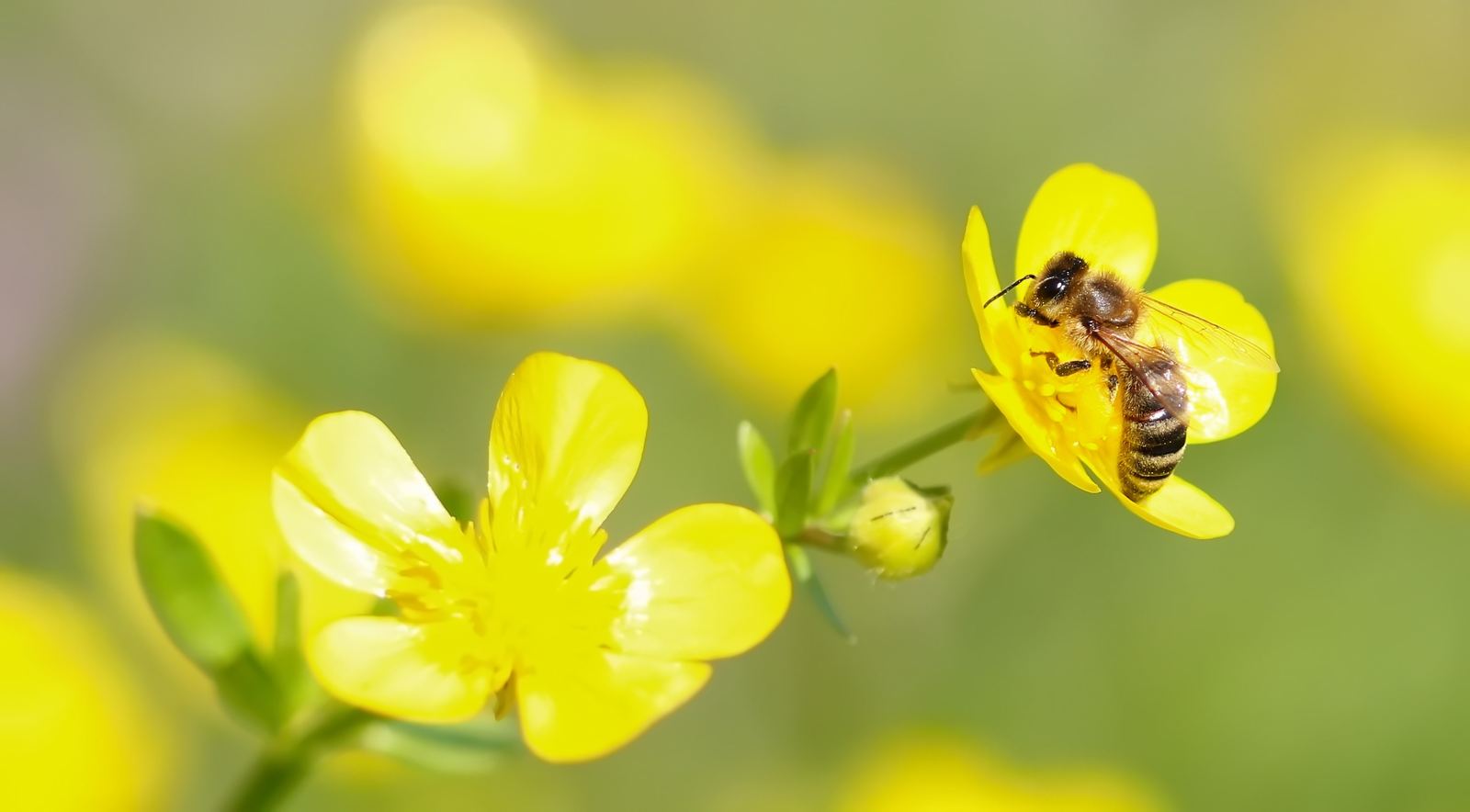 Build-upMarch15The brood nest explodes, the first young bees carry pollen, the beekeeper makes the first inspection. The winter colony becomes a production colony — or it stays weak.Forage beginsApril25The colony doubles. Fruit blossom, dandelion and often rape already fill the combs. Add the honey super too late and you breed swarm mood.
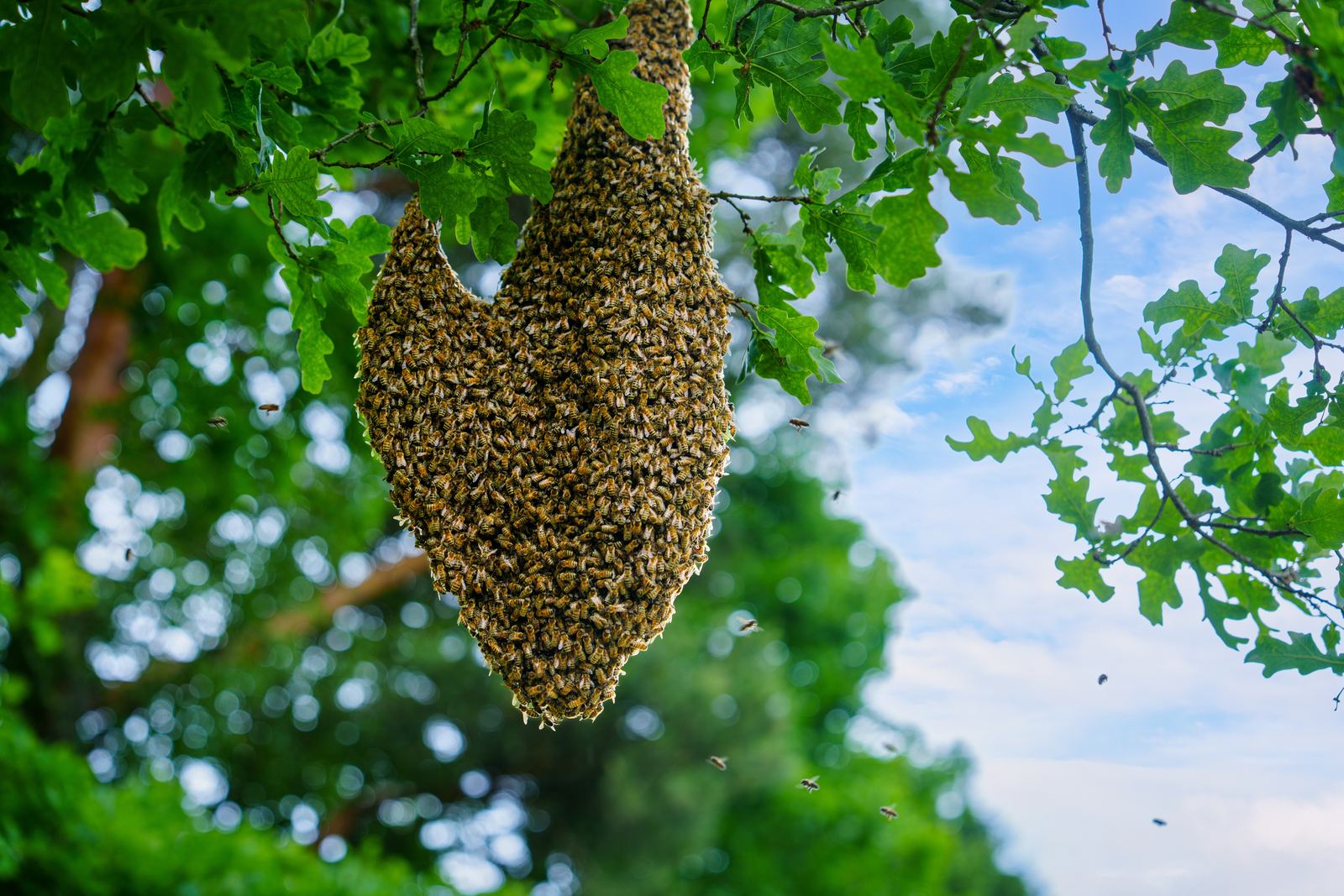 Swarm seasonMay40Swarm season. The colony is ready to divide, queen cells stand, rape and black locust fill the boxes. Weekly checks are now appointments, not a hobby.
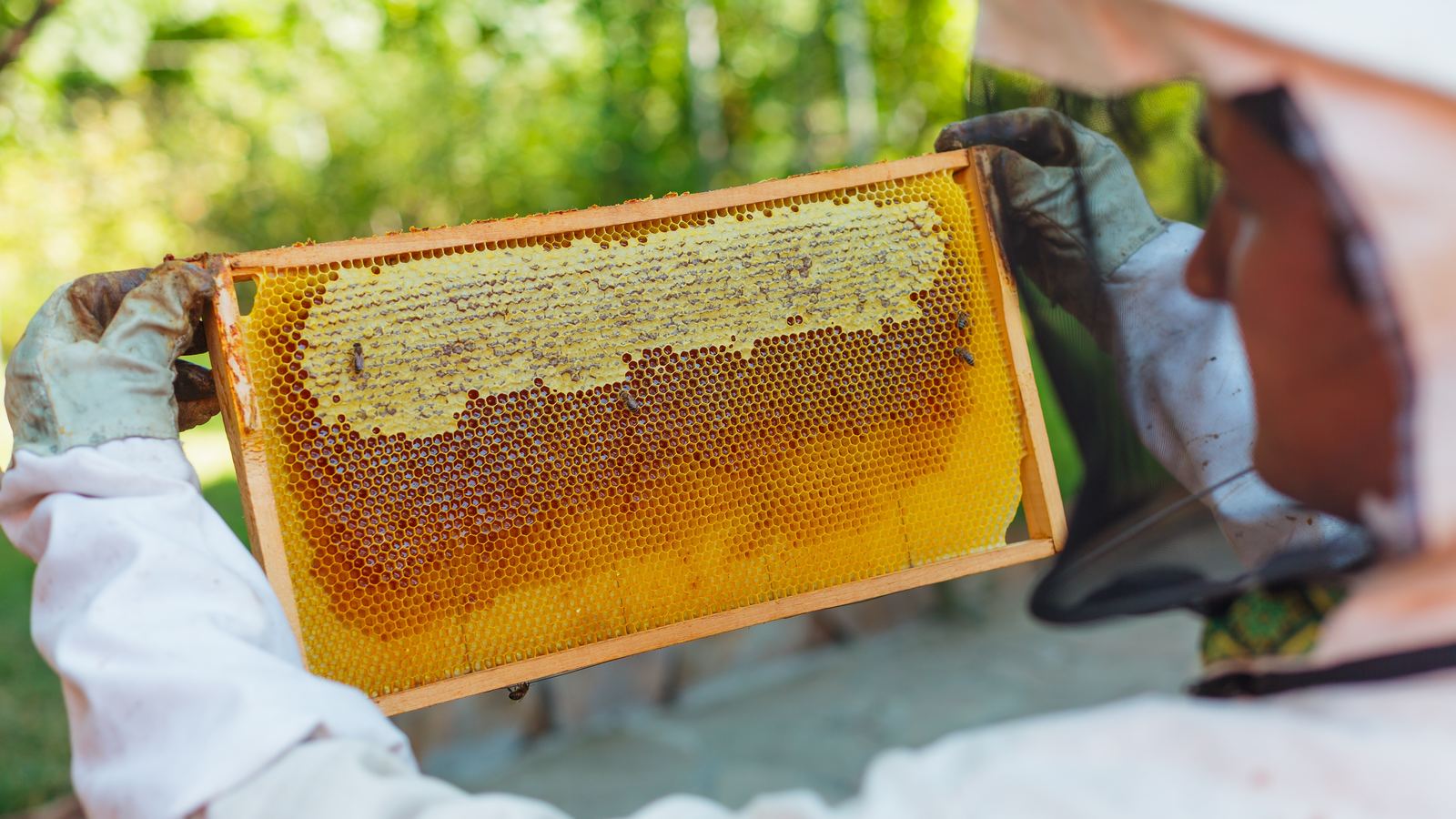 High seasonJune50Peak strength, often the first big crop. Lime, raspberry and white clover flow. Anyone who only extracts now and does not think about varroa pays in October.
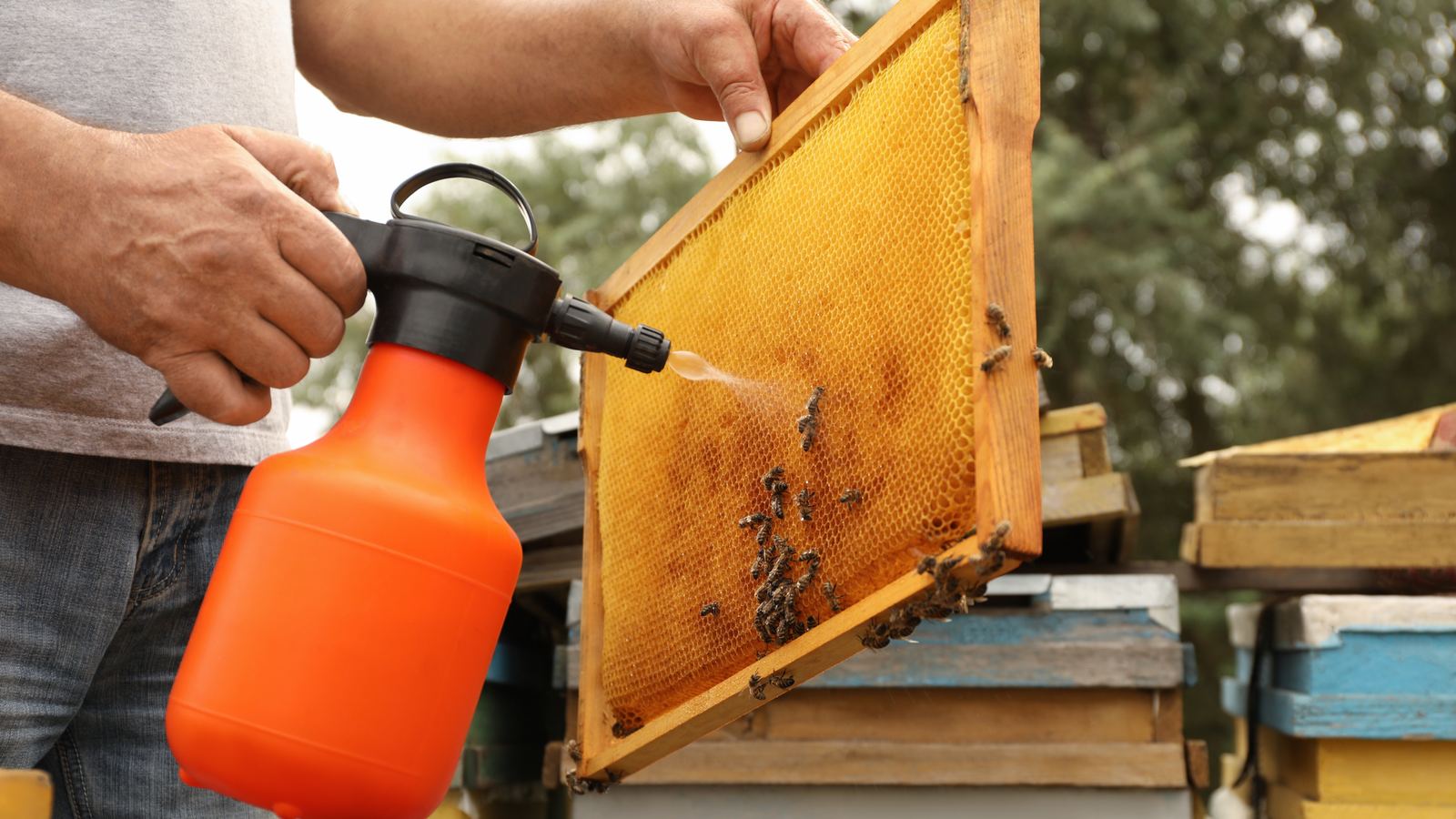 Turning pointJuly45Forage collapses in many sites, the queen lays less, varroa rises. After the last harvest, treatment begins — in time for the winter bees.
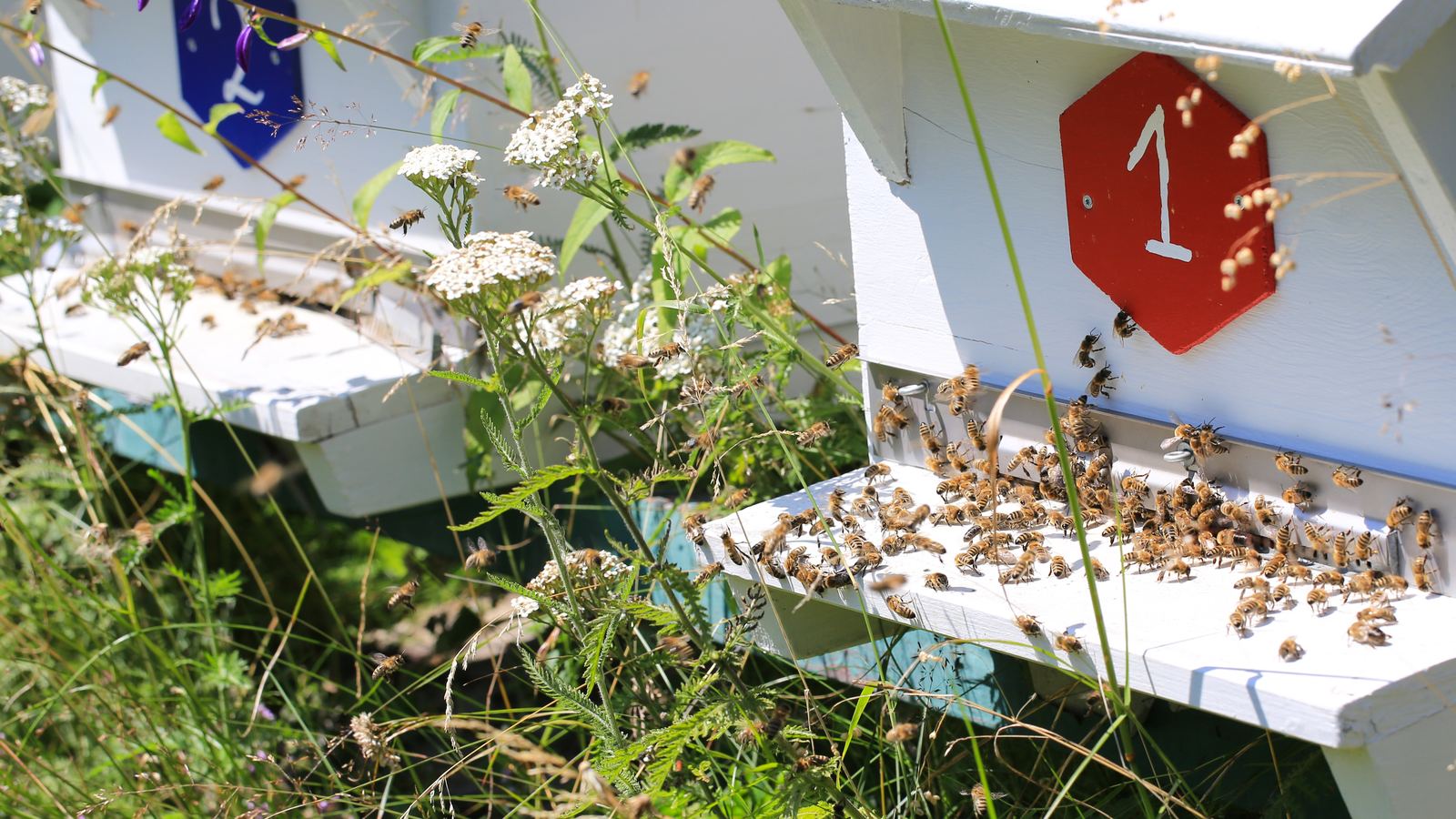 Winter beesAugust30The winter bees are raised now. Feed up, count mites, comb hygiene — what is missed in August is missing in March.
 Wintering downSeptember22The colony settles onto the ring of stores. Anyone who checks the weight now, fits mouse guards and keeps quiet closes the active season cleanly.
 Late autumnOctober16Last flights in sunshine, brood is ending, ivy fades. The apiary goes quiet — and should stay that way.Winter clusterNovember12The cluster closes, metabolism drops, there is no forage. Prepare the broodless winter treatment — and keep the apiary genuinely quiet.Year's endDecember9Tightest cluster, often broodless, core near 25 °C. Winter mite treatment, wax, planning the year — and the quiet start of new brood after the solstice.
Colony strength, guide value in thousands of bees
 GuideGuideGuide
 Guide
GuideFigures for magazine hives, Apis mellifera carnica, Central Europe. Weather, altitude and forage shift the dates. Use only authorised treatments, and follow the instructions.