Colony development through the year
From eight thousand bees to fifty thousand and back. Why the curve looks as it does, what winter and summer bees are, and why August builds next spring.
The strength of a healthy production colony in Central Europe follows a returning curve: around 8,000 bees in January, about 50,000 in June, under 20,000 in October. These are guide values for Carnica in magazine hives, not laws of nature. Site, weather, genetics and the beekeeper's hand shift the figures by weeks and by ten thousand animals.
The curve is still the most useful frame beekeeping has. Anyone who reads it knows when space is missing, when feed is missing, when varroa becomes dangerous and when quiet is the best work. The bee year is this curve — laid out across twelve months and four guides.
Colony strength is a record, not a target.
Two bees, one colony
Summer bees live about six weeks. They nurse, build, forage and die. Winter bees live six to eight months. They sit in the cluster, heat, begin brood care in late winter and carry the first pollen. Morphologically they are workers of the same species; physiologically they are two tools.
That is why August is not an appendix to the honey season. In it the animals are produced without which there is no colony in March. Varroa, hunger and pesticides in August do not hit 'the bees' in the abstract; they hit the generation that has to overwinter.
Brood as the engine
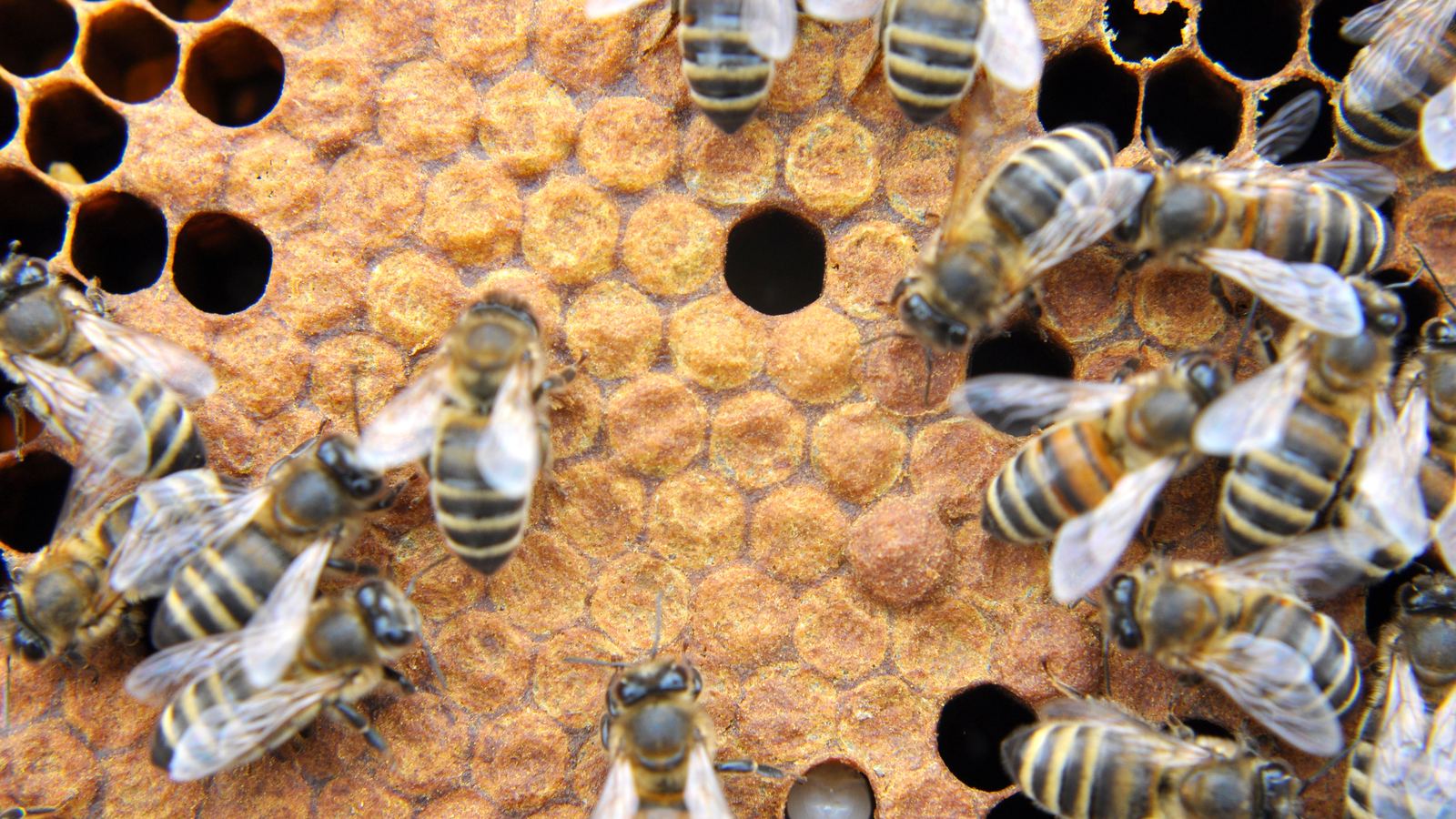
The queen lays up to 1,500 eggs a day in spring and almost none in autumn. Each worker needs about 21 days from egg to emerging bee. That means: a decision in March — space, pollen, warmth — only becomes strength in April. Conversely, every disturbance of brood in July only shows as a gap in August.
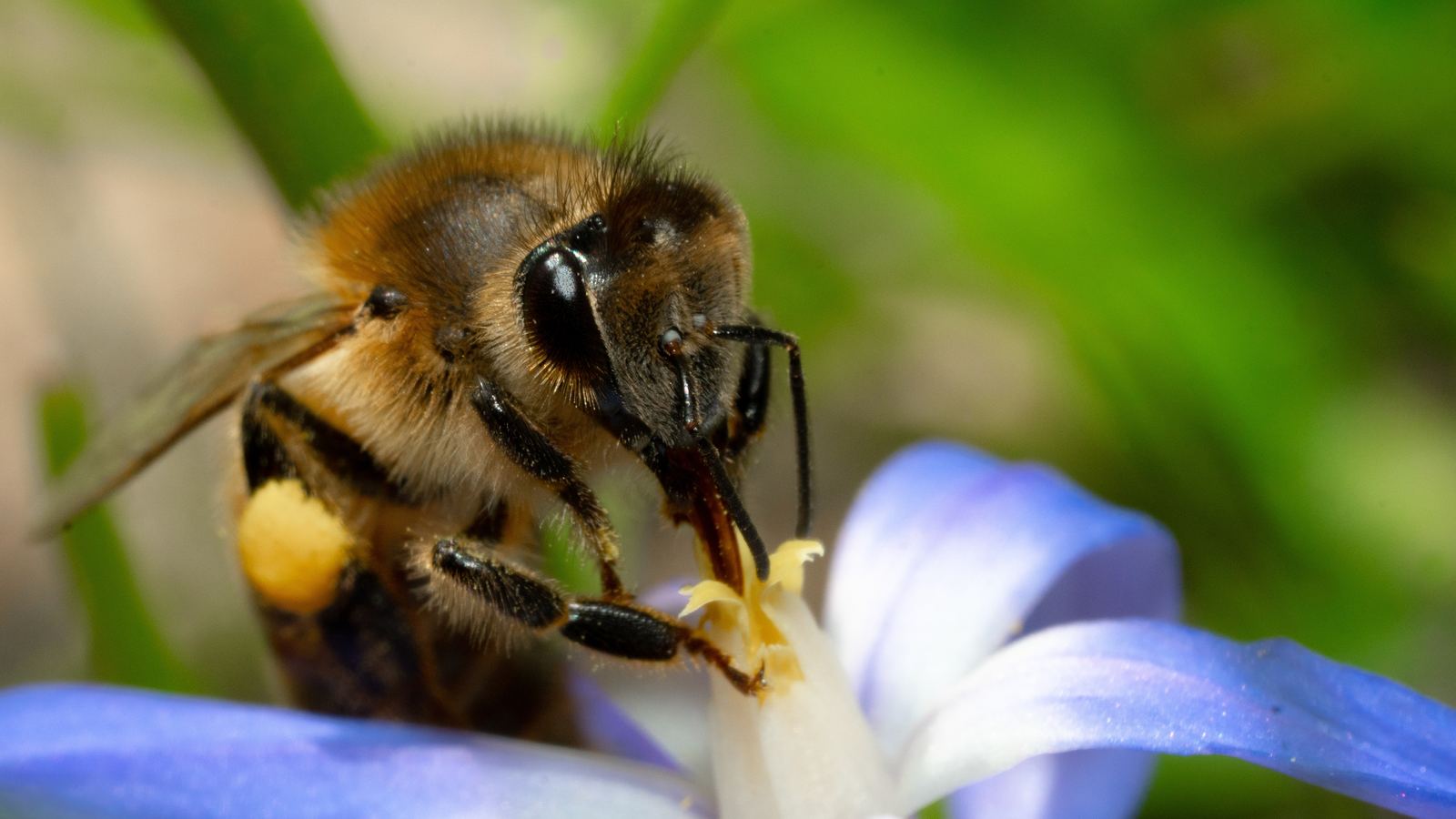
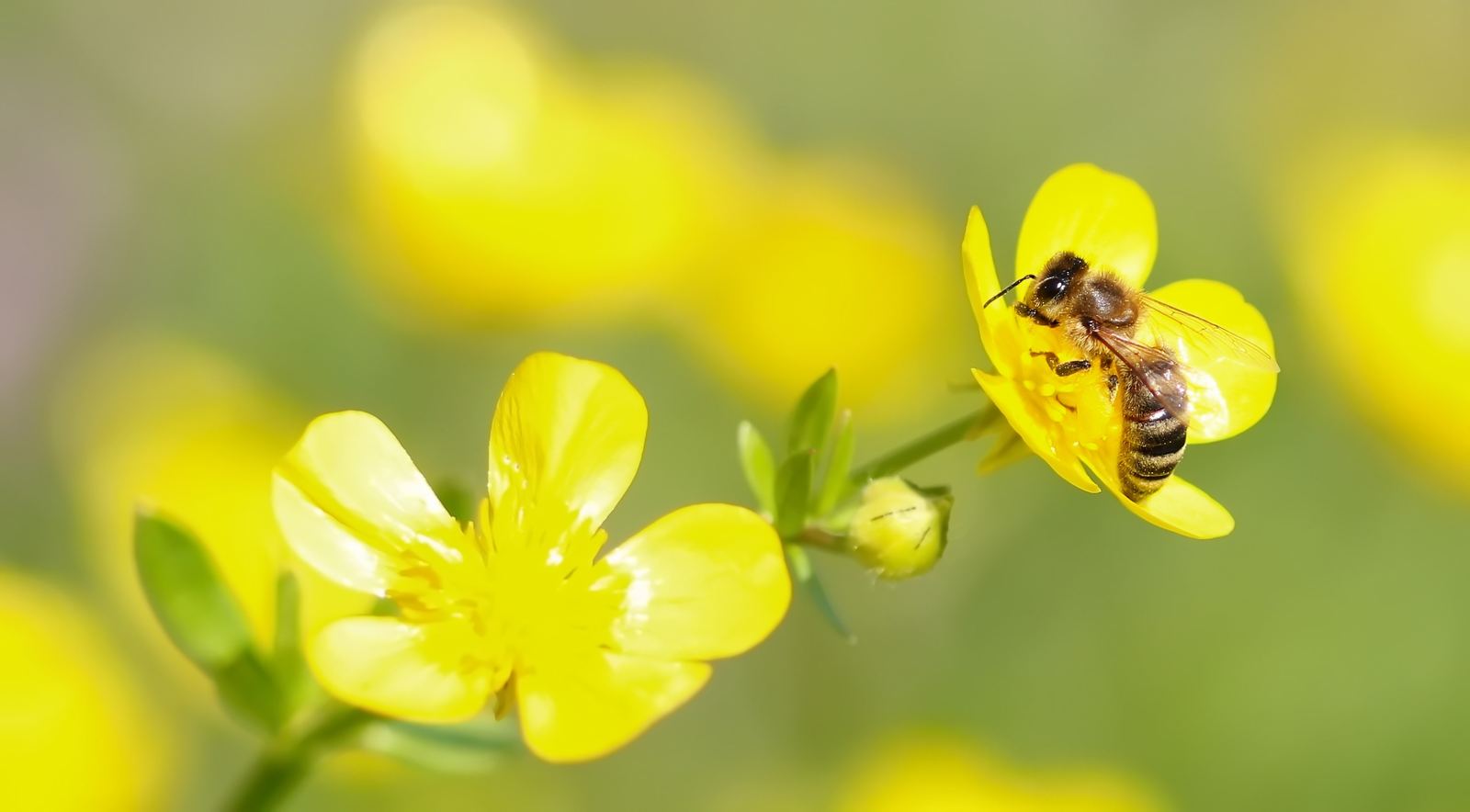
Brood needs 35 °C and protein. Nectar alone does not make bees. A pollen shortage in February and March brakes the curve harder than a cold day. So willow, hazel and fruit blossom stand in the calendar not as decoration but as the condition of colony growth.
Reading the curve
Rise from March to June: give space, prevent swarms, harvest. The kink after the solstice: do not misread it as disease. Fall from July to December: protect winter bees, feed, treat, tighten the nest. Winter plateau: do not open.
Deviations are diagnoses. A colony that does not grow in May often has no queen, too little pollen or a disease. A colony still sitting on three boxes in September often has too much space and too little order. The figures in the chart are the normal case against which you hold your own colony.