A hundred plants, one bee year
From sallow in March to ivy in October: the forage calendar as a map rather than a list.
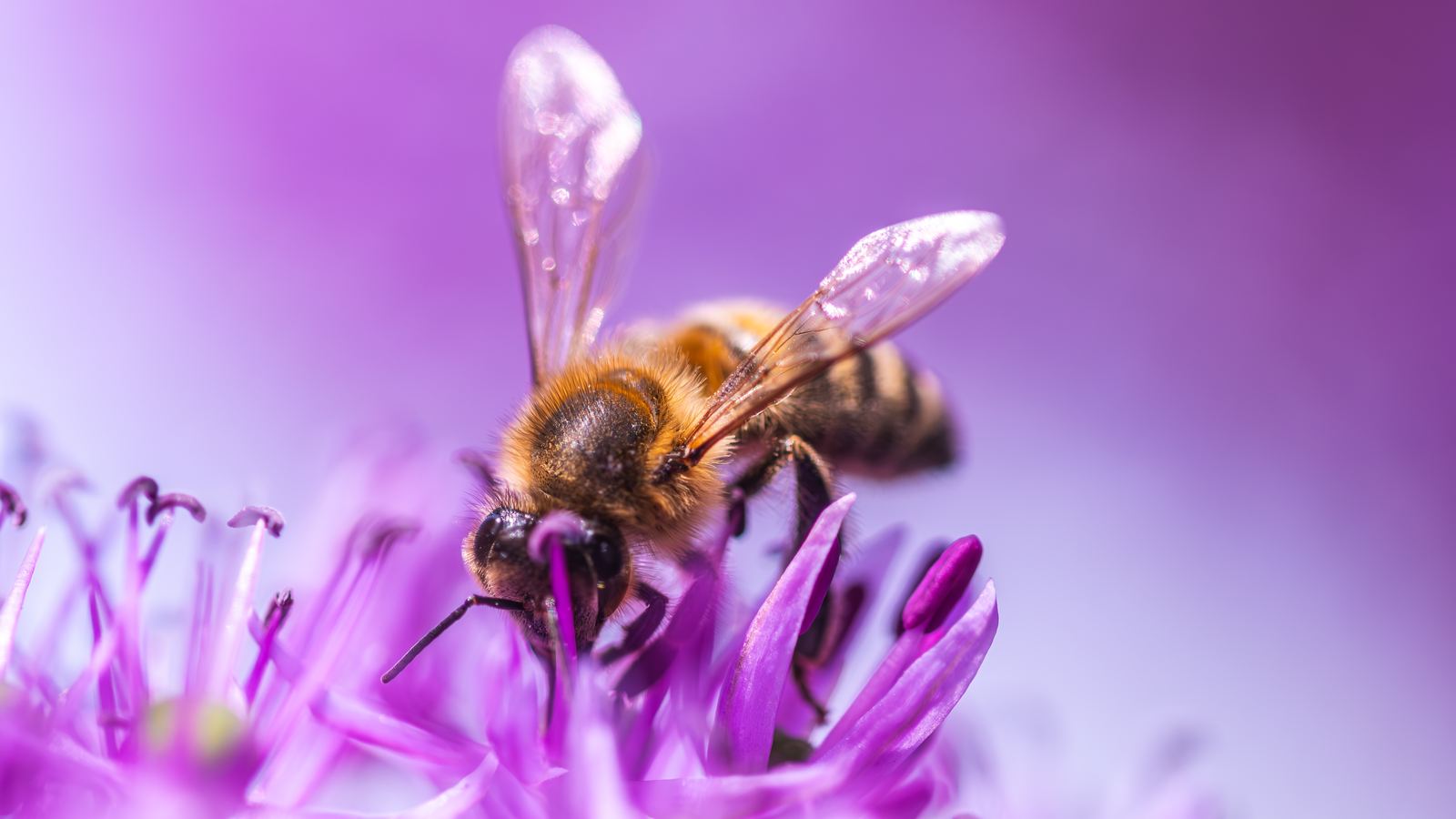
A forage plant is any plant that yields bees meaningful nectar, pollen or honeydew. What counts is not the flower itself but whether it flowers in reachable quantity at the right moment.
An apiary lives on the sequence: sallow and hazel bring the pollen for the first brood nest, fruit blossom and dandelion the first nectar, rape and black locust the crop, lime the summer honey, ivy the last help before winter feeding.
The most dangerous point in the year is the gap after lime blossom. Where no late forage stands, the beekeeper must feed — or migrate.
Forage value per hectare
Guide values in kilograms of honey per hectare and season — strongly dependent on site and weather.It is not the number of flowers that decides, but their date.
Forage values in kilograms of honey per hectare are guide figures and swing widely with soil, weather and variety. They are for comparing, not for calculating.
For gardens a simpler rule applies: native, unfilled, and spread across the season. A double flower is a closed door to a bee.